2026 Atlantic Hurricane Season Opens June 1 — Treasure Coast, Prepare Now
With the six-month storm window days away, emergency managers urge residents to stock supplies, review evacuation routes, and check insurance before the first advisory drops.
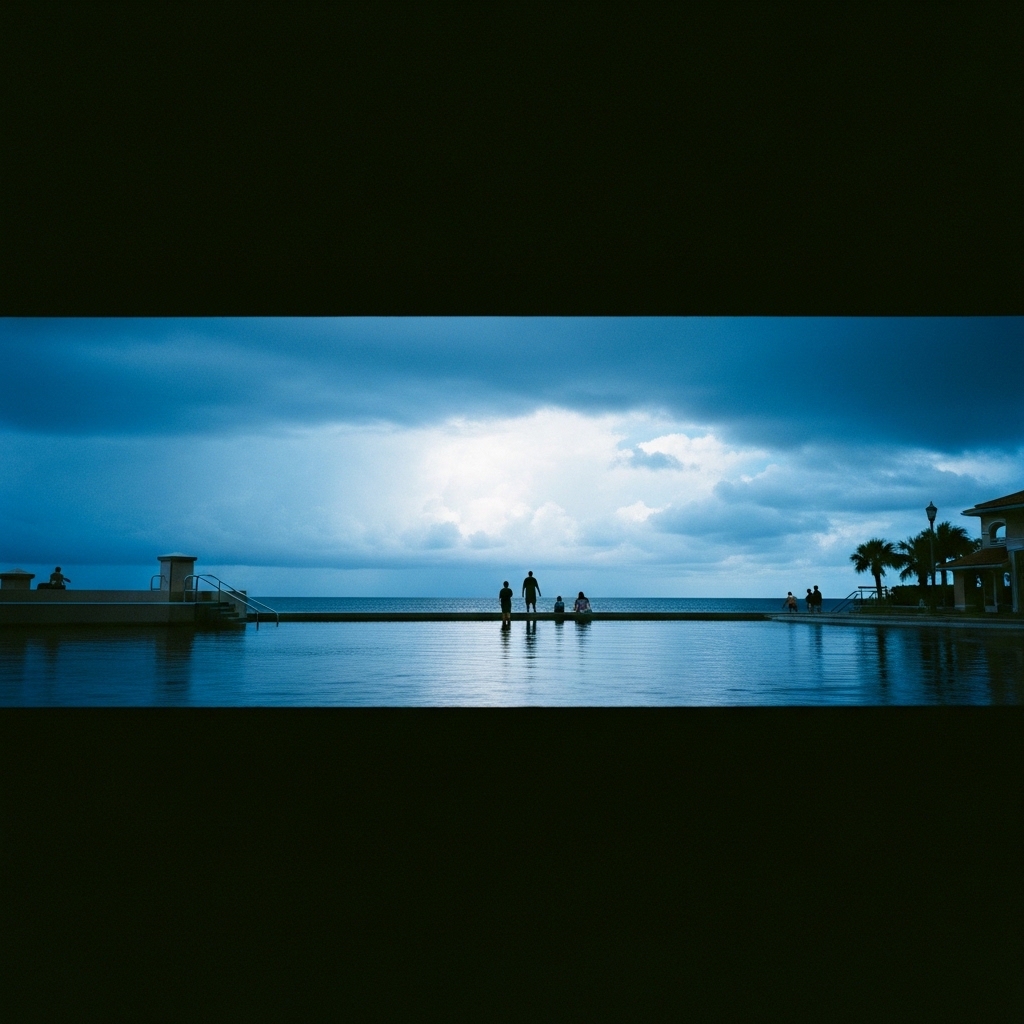
TODAY: Partly cloudy skies across Martin, St. Lucie, and Indian River counties. High near 88°F. A 30% chance of afternoon showers, according to the National Weather Service.
TONIGHT: Partly cloudy and warm. Low near 74°F.
THIS WEEK: Seasonally humid conditions persist through the weekend, with daily rain chances hovering between 30% and 40% — a hallmark of the early wet season. No significant pattern changes are forecast through Thursday, according to NWS data. The atmospheric setup — warm Gulf waters, elevated humidity — is the same backdrop that fuels tropical development.
ALERTS: No active NWS watches, warnings, or advisories are in effect for the Treasure Coast at this time.
The calendar turns a page that Treasure Coast residents know well: June 1 marks the official start of the 2026 Atlantic hurricane season, opening six months during which a single storm can reshape a coastline, a neighborhood, or a life. The season runs through Nov. 30. For the 200-mile stretch of barrier islands, estuaries, and inland communities between Sebastian Inlet and Jupiter Inlet, that is not an abstraction. It is a standing appointment with risk. [NEEDS VERIFICATION: NOAA's 2026 seasonal outlook, including predicted named storm count and probability of above-normal activity, had not been publicly released at publication time. Readers should monitor noaa.gov for the official pre-season forecast, typically issued in late May.] Emergency managers across the three-county region urge households to complete five tasks before the first advisory is issued: assemble a 72-hour supply kit, identify a local shelter or out-of-county evacuation destination, photograph home interiors for insurance documentation, trim trees and shrubs that could become projectiles, and confirm that flood and wind insurance policies are current — not mid-storm. "By the time a storm is named and bearing down, it's too late to do the things that actually save property and lives," Martin County Emergency Management officials have said in past preparedness campaigns. [NEEDS VERIFICATION: Confirm direct quote with Martin County Emergency Management Director for publication.] Boaters face compounded urgency. Marina operators along the St. Lucie River and Fort Pierce Inlet recommend securing or removing canvas, checking bilge pumps, and identifying a designated haul-out facility — demand for dry storage fills fast once a watch is posted. The Treasure Coast sits squarely in the historical strike zone for Cape Verde-type storms curving off the African coast and for Gulf-spawned systems tracking northeast across the Florida Peninsula. Both pathways are active June through November. Season prep resources are available through the Florida Division of Emergency Management at floridadisaster.org. --- *This article was generated with AI assistance using publicly available information. It was reviewed and approved by a human editor before publication. TC Sentinel uses AI writing tools in accordance with FTC guidelines.*
Got a tip?
See something newsworthy? Help us cover the Treasure Coast.
Your identity is never published without your permission.

Comments
Be the first to comment.