
Trump Attends Supreme Court Arguments in Historic First
The president's presence at the birthright citizenship hearing raises separation-of-powers concerns and could affect thousands of Treasure Coast families with a ruling expected by late June.
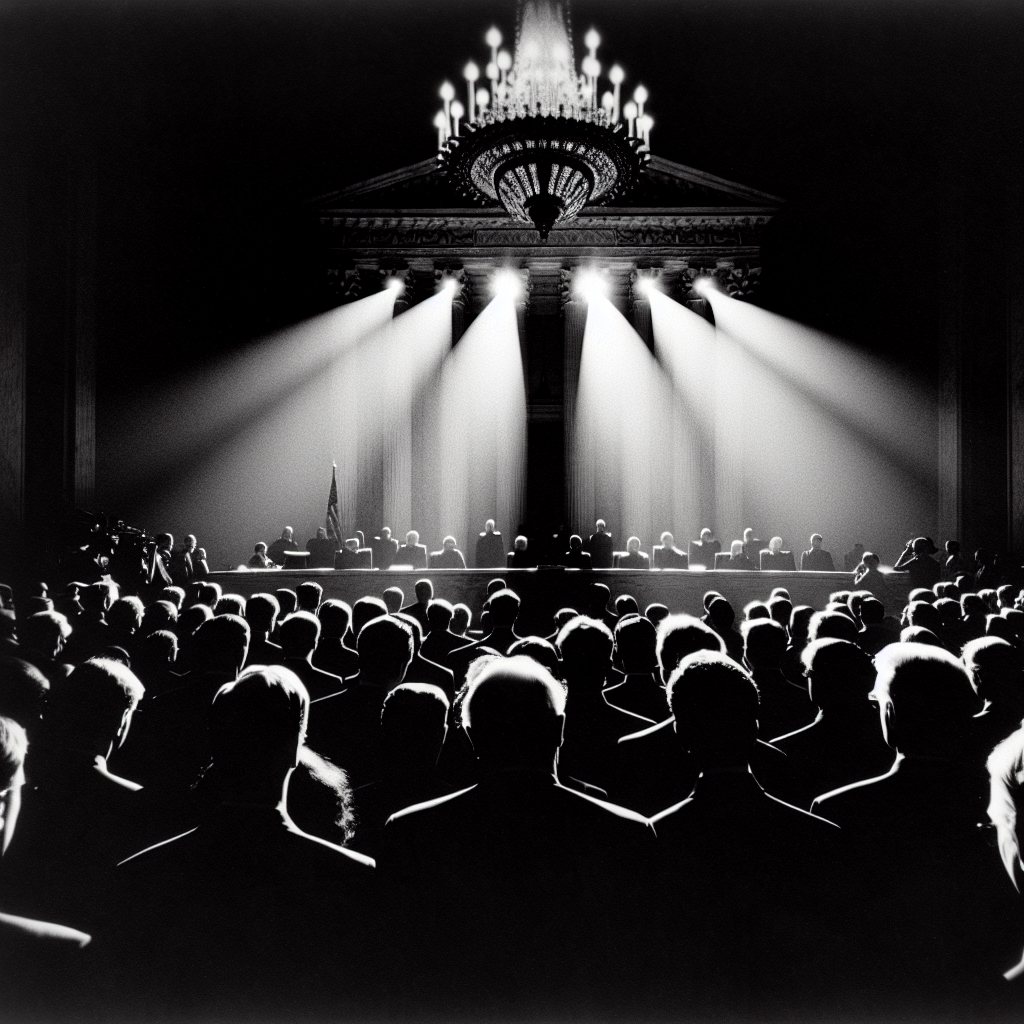
President Trump arrived at the U.S. Supreme Court Wednesday morning to watch oral arguments in a challenge to his own executive order — becoming the first sitting president in American history to attend the proceedings.
Trump's motorcade reached the court just before 10 a.m. ET and departed around 11:20 a.m., as Solicitor General D. John Sauer wrapped up his opening argument defending the administration's position. Trump did not stay to hear opposing counsel argue.
For the thousands of Treasure Coast residents with family members navigating the U.S. immigration system — including the large agricultural and service-industry workforce in St. Lucie and Indian River counties — the case carries direct, lasting consequences. A ruling in the administration's favor would end automatic citizenship for children born in the United States to parents who are in the country illegally or on temporary visas.
The case, Barbara v. Trump, centers on an executive order Trump signed on the first day of his second term. Multiple federal district courts immediately blocked it as unconstitutional, and it has never taken effect. The legal principle it challenges — birthright citizenship — has been grounded in the 14th Amendment since its ratification in 1868 and has been broadly interpreted to guarantee citizenship to anyone born on U.S. soil or in its territories.
The Trump administration argues that interpretation is too expansive. The Supreme Court agreed to weigh in and is expected to issue a ruling by late June or early July.
Trump's physical presence in the courtroom drew immediate scrutiny. The court is constitutionally designed as an independent check on executive power, and legal observers noted the optics of a president watching justices consider his own policy. Even Trump acknowledged last year, when he chose not to attend arguments in a separate case involving his global tariffs, that his attendance could be perceived as pressure on the bench. Sen. John Kennedy, R-La., a Trump ally, said at the time that such a visit could "backfire" if justices perceived it as intimidation.
The tariff case ultimately went against Trump, 6-3, with three conservative justices in the majority. Trump subsequently held a press conference criticizing those justices by name.
Asked Tuesday which justices he would be watching most closely, Trump said, "I love a few of them, I don't like some others."
The Supreme Court is expected to hand down its decision in Barbara v. Trump before its term ends in late June or early July.
This article was generated with AI assistance using publicly available information. It was reviewed and approved by a human editor before publication. TC Sentinel uses AI writing tools in accordance with FTC guidelines.
Got a tip?
See something newsworthy? Help us cover the Treasure Coast.
Your identity is never published without your permission.

Comments
Be the first to comment.