
Treasure Coast Scores Front-Row Seat for Artemis II Launch Wednesday
NASA's 322-foot SLS rocket blasts off at 6:24 p.m. from Kennedy Space Center, sending four astronauts around the moon and visible from Vero Beach to Stuart within 30 seconds.
Step outside Wednesday evening and look north.
NASA's Artemis II mission is scheduled to lift off at 6:24 p.m. ET from Launch Pad 39B at Kennedy Space Center, sending four astronauts — three Americans and one Canadian — on a 10-day journey around the moon and back. The Space Launch System rocket stands 322 feet tall and generates 8.8 million pounds of thrust, making it the most powerful spacecraft NASA has ever launched.
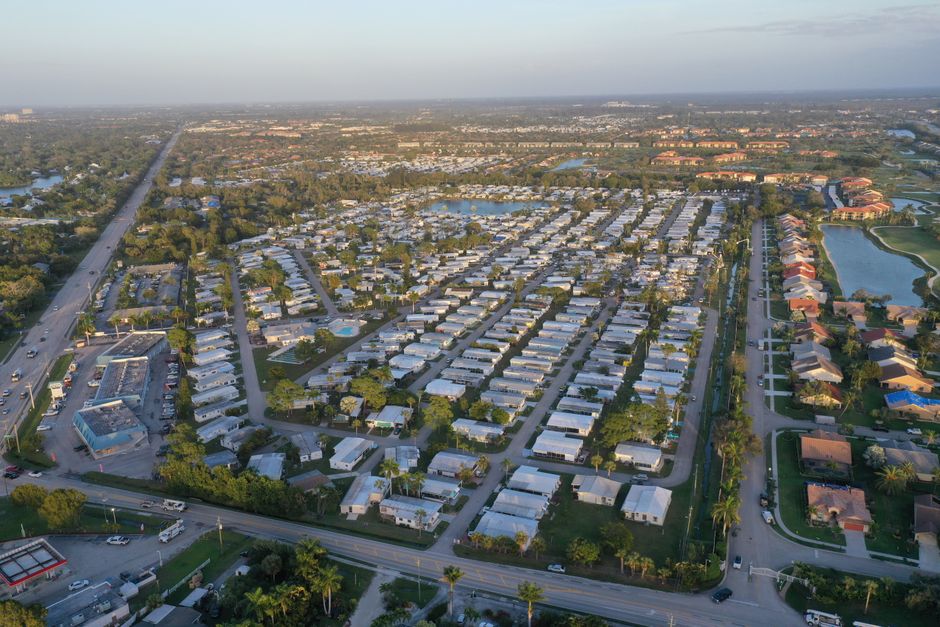
For the roughly 700,000 residents of Martin, St. Lucie and Indian River counties, the view from their own backyards may be among the best in the state. NASA's visibility timeline places the entire Treasure Coast — Sebastian, Vero Beach, Fort Pierce, Port St. Lucie, Jensen Beach and Stuart — squarely in the sightline by launch plus 30 seconds as the rocket arcs eastward over the Atlantic. No special equipment is needed. Clear skies and an unobstructed northern horizon will do.
As of Tuesday, NASA reported all systems were go, with a two-hour launch window to account for last-minute weather holds.
Artemis II is the second flight under NASA's Artemis lunar program. While no moon landing is planned for this crew, the mission is designed as a critical crewed test flight — a dress rehearsal for returning humans to the lunar surface, potentially as soon as 2028 Officials said. The four astronauts will travel approximately 250,000 miles into space, venturing farther than any humans since Apollo 13 and passing a side of the moon no crew has ever seen.
The SLS rocket's core stage is powered by four engines burning liquid hydrogen and liquid oxygen. Two 177-foot solid rocket boosters flank the core stage, providing the bulk of its thrust — and most of the spectacle for ground observers. NASA says the launch trajectory runs east, meaning the rocket will climb rapidly over the Atlantic and become visible across a widening arc of the state within the first minute of flight. By launch plus 50 seconds, visibility is projected to reach Fort Lauderdale, West Palm Beach and parts of southern Georgia.
NASA+ will stream the launch live on its website, YouTube channel and through Amazon Prime Video's free ad-supported live television section — no subscription required.
The launch window opens at 6:24 p.m. Wednesday, April 1, 2026.
This article was generated with AI assistance using publicly available information. It was reviewed and approved by a human editor before publication. TC Sentinel uses AI writing tools in accordance with FTC guidelines.
Got a tip?
See something newsworthy? Help us cover the Treasure Coast.
Your identity is never published without your permission.

Comments
Be the first to comment.