Florida's Hurricane History, by the Numbers, Is a Warning the Treasure Coast Can't Ignore
From landfalls to losses, the data behind Florida's storm record reveals a pattern — and a persistent vulnerability for coastal communities.
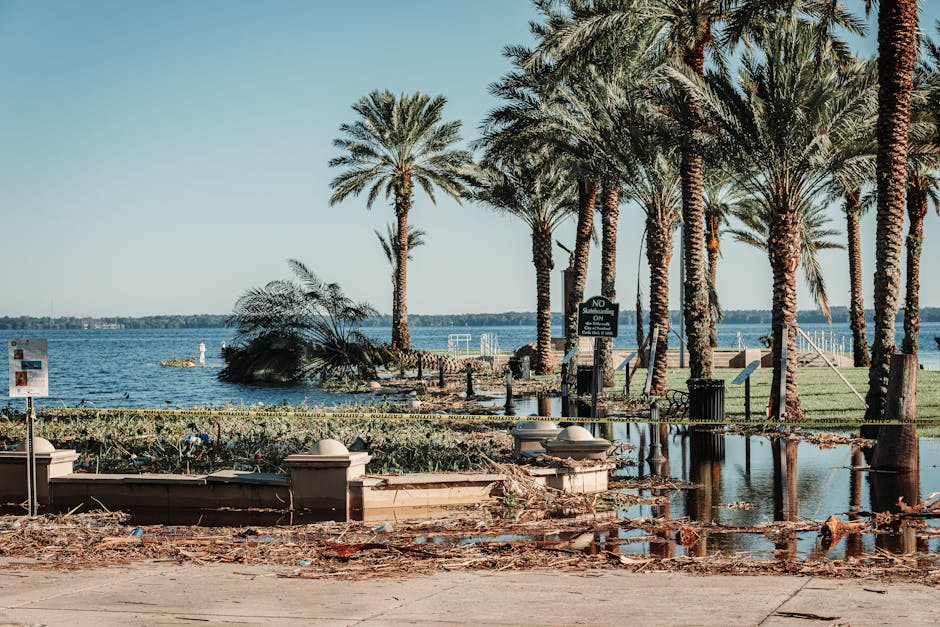
Florida has been struck by more hurricanes than any other state in the continental United States — a statistical reality that stops being abstract the moment the power goes out in Stuart or a storm surge swallows a dock in Fort Pierce.
Florida averages more than one hurricane landfall every two years, according to public records and historical weather data compiled by the National Oceanic and Atmospheric Administration. Coastal residents know in their bones that the odds stack heavily against any long stretch of quiet.
Since 1851, Florida has absorbed approximately 120 hurricane landfalls — roughly 40 percent more than Texas, the second most-hit state, NOAA records show. The state's geography explains the exposure. Jutting into the Atlantic and curving toward the Gulf of Mexico, Florida presents an unavoidable target for storms churning out of both basins.
The Treasure Coast sits in one of the most historically active corridors. Martin, St. Lucie, and Indian River counties lie in a zone where easterly-tracking Atlantic storms and northward-curving Gulf systems can both arrive with little warning. Hurricane Jeanne made landfall near Stuart in September 2004, the fourth named storm to hit Florida in a single season — a sequence that remains unmatched in state history.
Insured losses from Florida hurricanes have surpassed $100 billion over the past three decades, a figure that climbs with each new subdivision built within reach of storm surge.
For Treasure Coast residents, the numbers carry practical weight. Hurricane season runs June 1 through November 30. The Atlantic basin has been running above its long-term average for named storm activity in recent years, driven in part by warmer sea surface temperatures off the Florida coast, forecasters said.
The data does not predict the next storm. It simply confirms that preparation — evacuation plans, insurance reviews, supply kits — is not paranoia on the Treasure Coast. It is arithmetic.
This article was generated with AI assistance using publicly available information. It was reviewed and approved by a human editor before publication. TC Sentinel uses AI writing tools in accordance with FTC guidelines.
Got a tip?
See something newsworthy? Help us cover the Treasure Coast.
Your identity is never published without your permission.

Comments
Be the first to comment.