Tropical Outlook Resumes Daily Updates as Atlantic Hurricane Season Approaches
NOAA's Atlantic forecasting system returns to full operational mode — a critical signal for Treasure Coast residents to begin storm preparations now
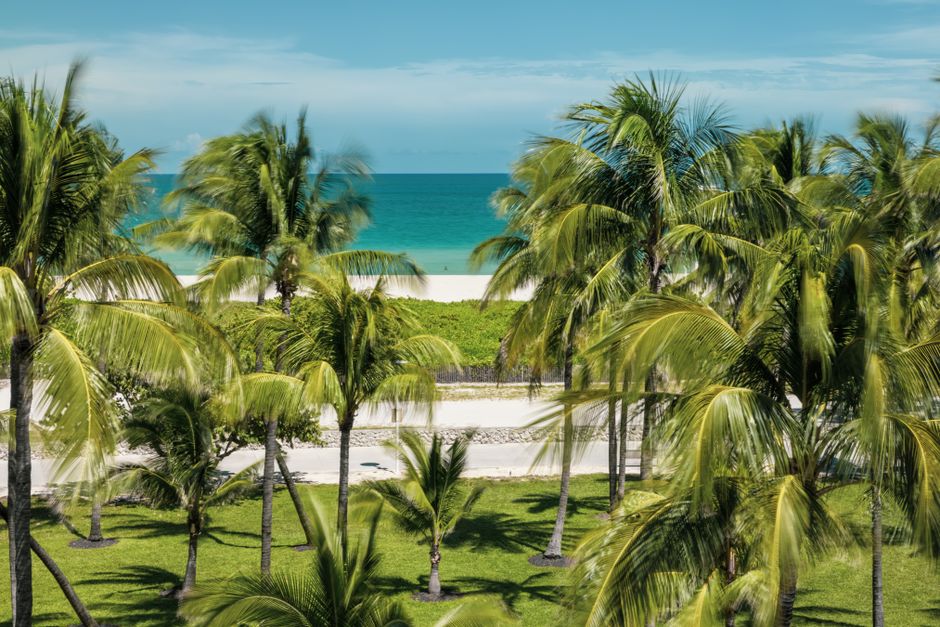
The Atlantic basin's formal tropical weather surveillance is back on the clock, and for the roughly 500,000 people living within a few miles of Florida's Treasure Coast shoreline, that shift is more than bureaucratic routine — it is a seasonal countdown that demands attention.
The National Hurricane Center has resumed its daily Tropical Weather Outlook, the agency's cornerstone product for tracking disturbances across the Atlantic, Caribbean, and Gulf of Mexico. The return of daily outlooks signals the unofficial start of active hurricane season monitoring, ahead of the June 1 official opening of the 2025 Atlantic season.
The Treasure Coast sits at one of the most exposed latitudes on Florida's eastern seaboard. Storms curving north through the Bahamas have historically made landfall or brushed Martin, St. Lucie, and Indian River counties with storm surge, damaging winds, and catastrophic freshwater flooding — conditions that can shut down the region's fishing economy, overwhelm drainage canals already taxed by Lake Okeechobee releases, and strand barrier island communities for days.
Forecasters are incorporating updated tracking models and expanded satellite data coverage into the outlook system to sharpen the critical 48- to 120-hour cone of uncertainty that coastal emergency managers rely on for evacuation timing, the National Weather Service said.
For Treasure Coast residents, preparation windows are already narrowing. Martin County emergency management officials have urged residents to finalize hurricane supply kits and review flood zone maps before the season's first named storm forms — history shows that early-season storms develop faster than the public expects.
The NHC outlook is updated four times daily at nhc.noaa.gov. Residents in flood-prone areas along the St. Lucie River, the Indian River Lagoon's barrier islands, and low-lying Fort Pierce neighborhoods should confirm their flood zone status with their county property appraiser's office and review their insurance coverage before June 1.
This article was generated with AI assistance using publicly available information. It was reviewed and approved by a human editor before publication. TC Sentinel uses AI writing tools in accordance with FTC guidelines.
Got a tip?
See something newsworthy? Help us cover the Treasure Coast.
Your identity is never published without your permission.

Comments
Be the first to comment.