
California Jury Slams Meta, YouTube with $3M in Child Addiction Suit
Verdict on harm to Treasure Coast-linked plaintiff's early social media use could spur local lawsuits against tech giants.
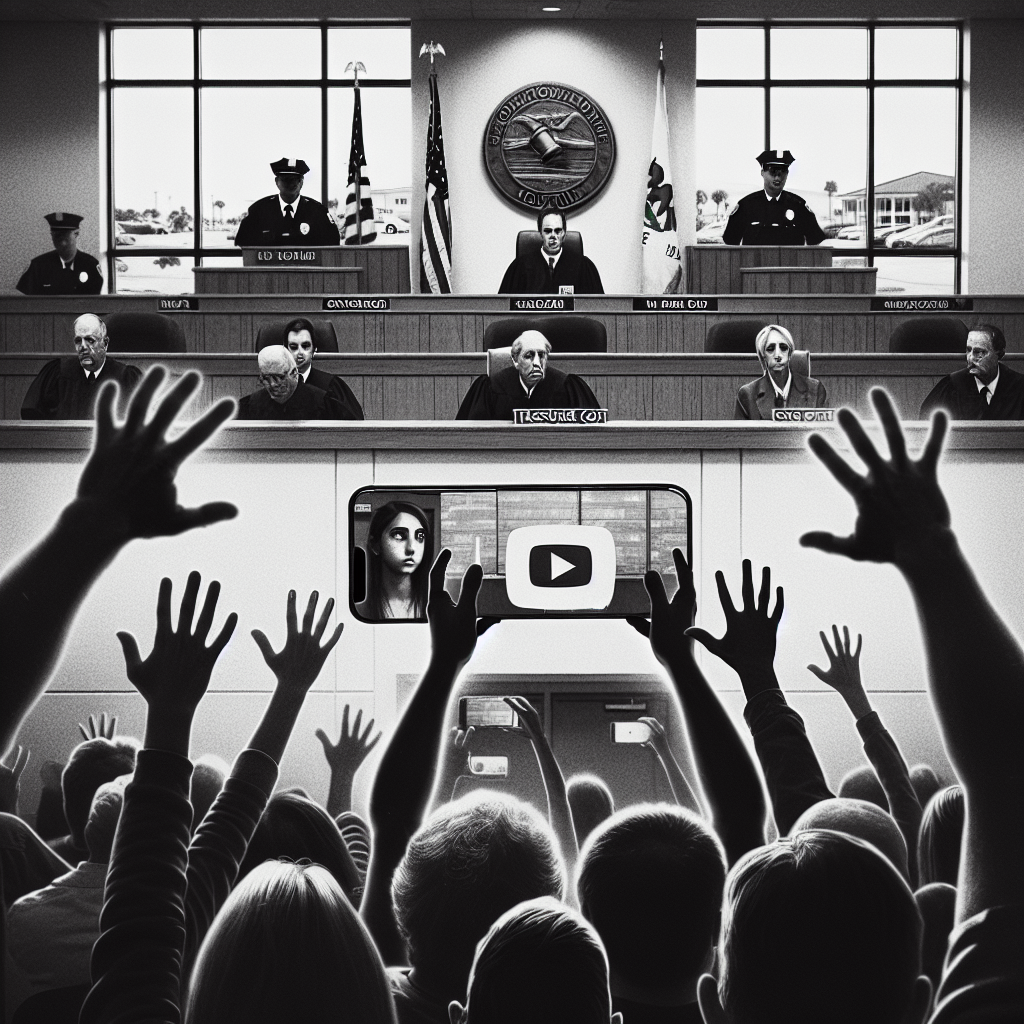
A California jury found Meta and YouTube liable Wednesday for harming a young woman who says she became addicted to their platforms as a child, awarding $3 million in compensatory damages in what legal experts are calling a first-of-its-kind verdict.
Jurors deliberated more than 40 hours across nine days before determining that both companies were negligent in the design or operation of their platforms and that the negligence was a substantial factor in causing harm to the plaintiff, identified as KGM — a 20-year-old woman who began using YouTube at age six and Instagram at age nine. The jury also found the companies acted with malice, oppression or fraud, meaning punitive damages will be determined after an additional evidentiary hearing. Meta was assigned 70 percent of responsibility; YouTube bore the remaining 30 percent.
For Florida families, the verdict carries direct implications. Thousands of similar lawsuits filed by parents across the country — including in Florida — are pending in coordinated federal litigation. The Los Angeles case was selected as a bellwether trial, meaning its outcome could drive settlements or shape legal strategy in cases filed by Treasure Coast parents whose children have been treated for social media-related anxiety, depression or eating disorders at facilities including Cleveland Clinic Martin Health and Tradition Medical Center in St. Lucie County. Florida Attorney General Ashley Moody has been among state officials tracking the litigation closely.
Meta and Google-owned YouTube both issued statements disagreeing with the verdict. Google spokesperson Jose Castañeda said the case "misunderstands YouTube, which is a responsibly built streaming platform, not a social media site." Meta said it would explore its legal options, including appeals.
The jury was instructed to disregard the content KGM viewed, focusing instead on platform design features — including infinite-scroll feeds, autoplay and push notifications — which plaintiffs argued were engineered to maximize engagement among minors. Section 230 of the 1996 Communications Decency Act shielded the companies from liability for user-generated content itself. TikTok and Snap settled before trial began. The same week a New Mexico jury separately found Meta harmed children's mental health in violation of state consumer protection law.
A hearing on punitive damages is expected in the coming days in Los Angeles Superior Court.
This article was generated with AI assistance using publicly available information. It was reviewed and approved by a human editor before publication. TC Sentinel uses AI writing tools in accordance with FTC guidelines.
Got a tip?
See something newsworthy? Help us cover the Treasure Coast.
Your identity is never published without your permission.

Comments
Be the first to comment.