
WHO Declares Ebola Emergency as Outbreak Spreads in Congo; No US Cases Reported
Bundibugyo strain has no approved vaccine or treatment; local health officials monitoring situation
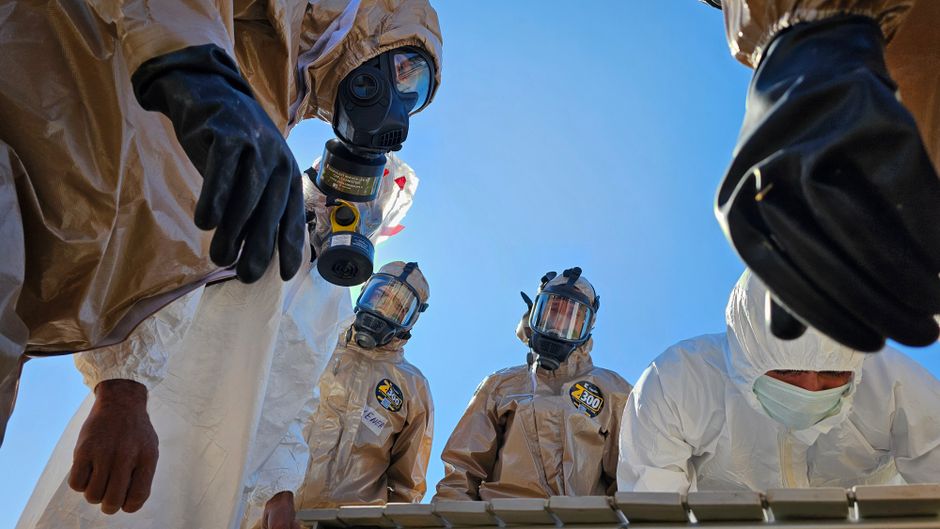
The World Health Organization declared a public health emergency of international concern Tuesday over a fast-moving Ebola outbreak in eastern Congo, where a rare strain with no approved vaccine or treatment has killed at least 134 people and infected more than 500. WHO Director-General Tedros Adhanom Ghebreyesus warned the numbers could grow significantly in the months ahead.
The outbreak involves the Bundibugyo strain of Ebola — distinct from the better-known Zaire strain and not covered by any currently approved vaccine. Confirmed cases have been reported in urban centers home to well over a million people combined, including the provincial capital Bunia, the rebel-held city of Goma in North Kivu, and several surrounding localities. WHO confirmed two cases in Uganda's capital, Kampala, among travelers from Congo, signaling early cross-border spread. One American physician working in Bunia tested positive and was transferred to Germany for treatment, officials said.
For Treasure Coast residents, health officials stress there is no immediate local risk. The Florida Department of Health maintains county-level protocols for responding to internationally declared public health emergencies, and Ebola is a nationally notifiable disease subject to federal screening at major ports of entry. Martin, St. Lucie, and Indian River County health departments are expected to receive updated guidance from the CDC as the situation evolves.
The outbreak festered undetected for weeks after the first known death on April 24, partly because initial lab tests screened only for the more common Zaire strain and returned false negatives. "Our surveillance system didn't work," said Jean-Jacques Muyembe, a virus expert at Congo's National Institute of Biomedical Research. "That's why we ended up in this catastrophic situation." The delayed identification allowed the virus to spread to a densely populated mining region, accelerating transmission, Congo's health minister confirmed.
Complicating the response: armed rebels control parts of eastern Congo, isolation wards at Bunia hospitals are overwhelmed, and neither the U.S. Centers for Disease Control and Prevention nor Africa CDC had personnel on the ground as of Tuesday. Georgetown University global health policy director Matthew Kavanagh publicly attributed that gap to Trump administration cuts to foreign aid — "the exact surveillance system meant to catch these viruses early." The U.S. State Department said it has provided $13 million for the response.
WHO does not expect the outbreak to be contained within two months, officials said. An experimental Oxford-developed vaccine is expected from the United States and Britain, but experts said it would take at least two months to deploy effectively.
This article was generated with AI assistance using publicly available information. It was reviewed and approved by a human editor before publication. TC Sentinel uses AI writing tools in accordance with FTC guidelines.
Got a tip?
See something newsworthy? Help us cover the Treasure Coast.
Your identity is never published without your permission.

Comments
Be the first to comment.