
Treasure Coast Residents Must Fight to Preserve State Parks
From Hobe Sound's wildlife refuges to the Indian River Lagoon, these natural spaces define our identity and demand protection against modern threats.
# Opinion | TC Sentinel Editorial Board
There is a moment — and most Treasure Coast residents know it — when you pull off onto a sandy lot, step out of your car, and the noise of the modern world simply stops. Maybe it happens on the boardwalk at Hobe Sound National Wildlife Refuge, where a gopher tortoise lumbers across your path as if you are the inconvenience. Maybe it happens on the Indian River Lagoon at dawn, when a manatee surfaces close enough to startle you into silence. These are not tourist brochure moments. They are the reason people move here, stay here and fight for here.
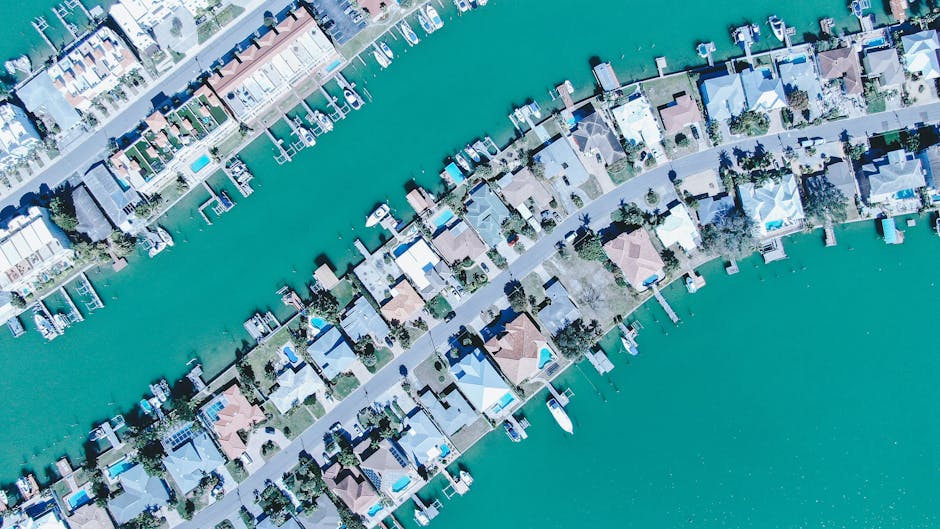
Florida's state parks and natural preserves are among the most quietly beloved public assets this region possesses, and the Treasure Coast holds a disproportionate share of that treasure. Jonathan Dickinson State Park in Martin County remains one of the most biodiverse state parks in Florida, drawing hikers, kayakers and wildlife watchers year-round. Avalon State Park and the St. Lucie Inlet Preserve offer St. Lucie and Martin County residents direct access to coastline that, without public ownership, would long ago have been swallowed by development.
The animals that inhabit these spaces — the peacocks that have become neighborhood fixtures in parts of Indian River County, the tortoises that anchor our scrub ecosystems, the manatees that winter in the warm-water refuges along the lagoon — are not novelties. They are indicators. When they thrive, our ecosystem is functioning. When they struggle, we should be paying attention.
The strongest counterargument to investing in parks and wildlife preservation is always an economic one: that protected land is land off the tax rolls, land unavailable for housing or commercial development in a region that genuinely needs both. That tension is real and deserves honest engagement. But the economic value of clean water, recreational tourism and quality of life is not theoretical — it is the engine that drives property values and attracts the residents and businesses that sustain our tax base in the first place.
What we urge is straightforward: Martin, St. Lucie and Indian River county commissioners should treat natural land acquisition and park funding as infrastructure, not luxury. Residents should show up at budget hearings when parks line items are on the table. All of us should spend more time in these places — not merely to enjoy them, but to remember precisely what we are being asked to protect. You cannot advocate for what you do not know. Go outside.
This article was generated with AI assistance using publicly available information. It was reviewed and approved by a human editor before publication. TC Sentinel uses AI writing tools in accordance with FTC guidelines.
Got a tip?
See something newsworthy? Help us cover the Treasure Coast.
Your identity is never published without your permission.

Comments
Be the first to comment.