Supreme Court Temporarily Restores Mifepristone Access Via Mail, Pharmacies
Justice Alito's order blocks appeals court restrictions for at least one week as justices weigh full case

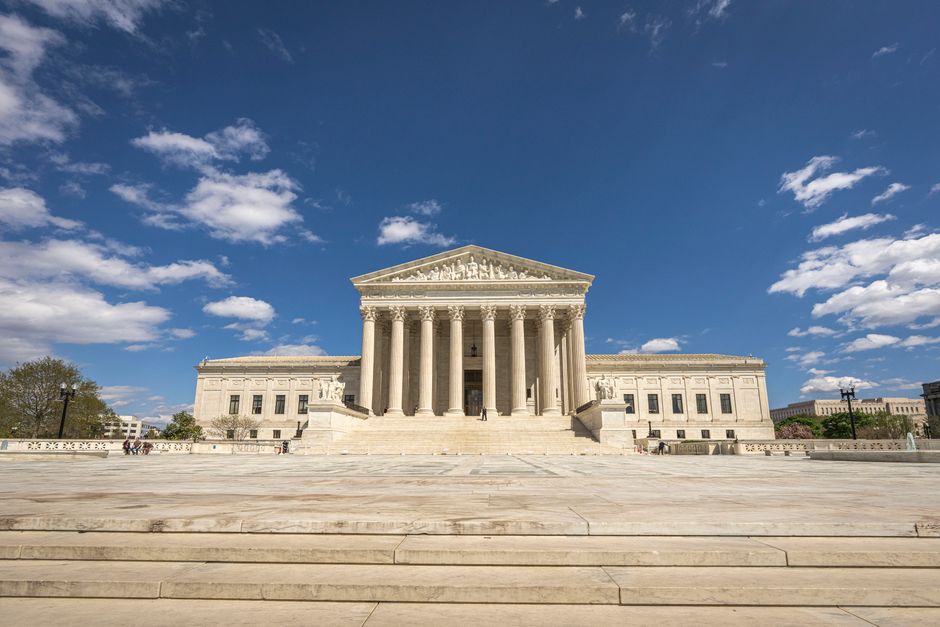
The U.S. Supreme Court on Monday restored broad access to the abortion pill mifepristone, blocking a lower-court ruling that had threatened to eliminate pharmacy and mail-order distribution of the most commonly used abortion medication in the country.
Justice Samuel Alito signed the order, which temporarily allows women to obtain mifepristone at retail pharmacies or through the mail without an in-person physician visit. This access had been in place for several years before a federal appeals court imposed new restrictions last week. The order will remain in effect for at least one additional week while both sides file responses and the court considers the matter more fully, officials said.
For women on the Treasure Coast, the ruling preserves — for now — a pathway to medication abortion that does not require traveling to a provider, a significant factor in Martin, St. Lucie, and Indian River counties, where reproductive health clinic access is limited. Medication abortion now accounts for the majority of abortions performed in the United States, typically through a two-drug regimen combining mifepristone with a second drug, misoprostol, according to public records.
Louisiana triggered the legal fight by suing to restrict mifepristone's availability, arguing that easy access to the drug undermined the state's abortion ban. The case has national reach: manufacturers of mifepristone filed emergency appeals asking the Supreme Court to intervene after the appeals court ruling last week threatened to immediately curtail distribution.
Medication abortion has blunted the practical impact of state bans that have proliferated since the Supreme Court's 2022 decision overturning Roe v. Wade. Some Democratic-led states have enacted laws extending legal protection to providers who prescribe the drugs via telehealth to patients living under those bans.
Florida's six-week abortion ban, which took effect in May 2024, means most Treasure Coast women seeking abortion access already face significant legal barriers at the state level. The Supreme Court's order does not affect Florida's state restrictions, but it does preserve federal access rules for mifepristone itself while the court weighs whether those rules stand.
The case returns to the full court within days. A final ruling could reshape medication abortion access nationwide for millions of women.
This article was generated with AI assistance using publicly available information. It was reviewed and approved by a human editor before publication. TC Sentinel uses AI writing tools in accordance with FTC guidelines.
Stay informed. Subscribe free.
Get the Treasure Coast's daily briefing in your inbox every morning.
Got a Tip?
See something newsworthy? Help us cover the Treasure Coast.
Your identity is never published without your permission.

Reader Comments
Leave a Comment