Rural Families in Western Treasure Coast Need Community Bonds Over Government Aid
In the remote pastures of Martin and St. Lucie counties, fraying informal networks leave families without buffers before crises turn into case files.

Opinion | TC Sentinel Editorial Board
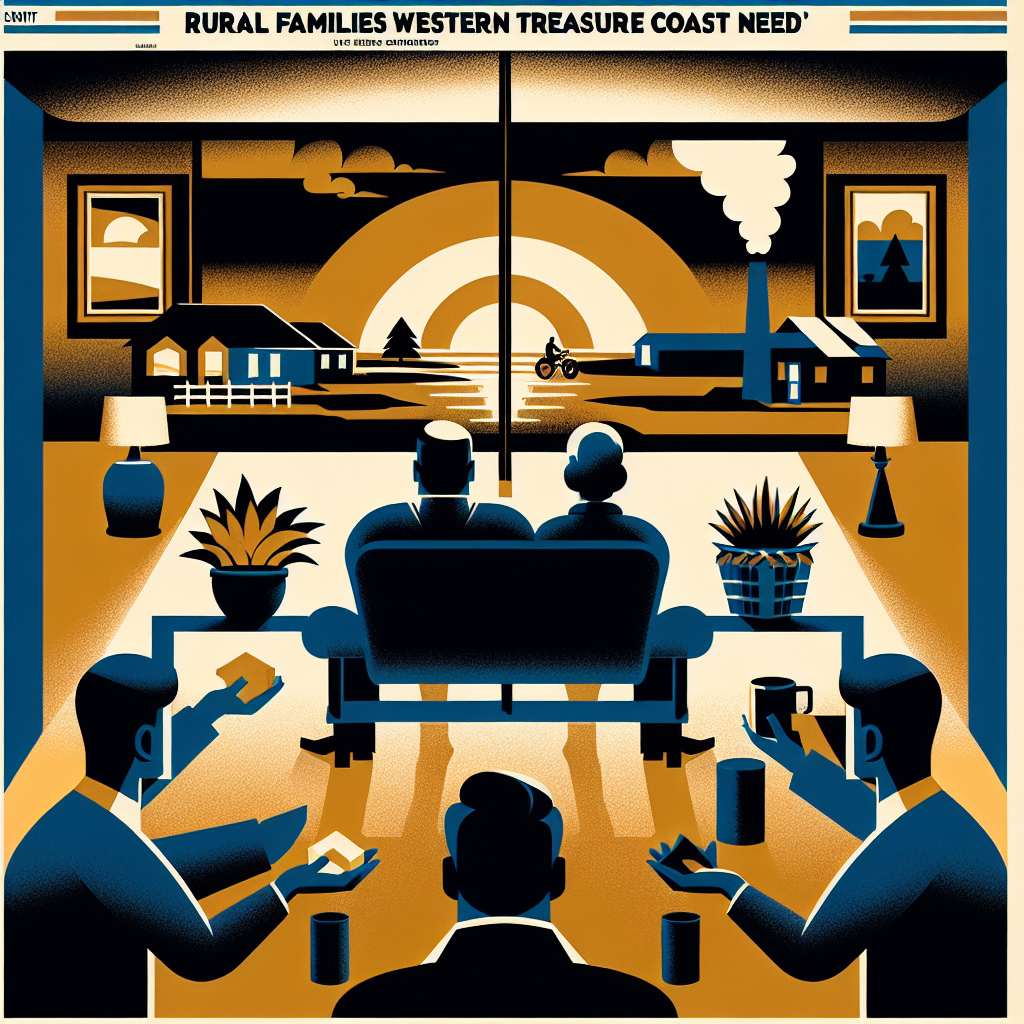
Drive west on Kanner Highway past the last stoplight in Stuart, or push inland from Fort Pierce along Okeechobee Road, and you enter a Florida that coastal residents rarely see. The pastures and groves of western Martin County and the agricultural stretches of western St. Lucie County are home to families who live long distances from pediatricians, licensed child care, and social services — the same families who often do not show up in policy conversations until something has already gone wrong.
That gap between "struggling" and "in crisis" is exactly where this community needs to focus.
Florida's child welfare system logged more than 67,000 reports of alleged abuse or neglect statewide in fiscal year 2022-23, with rural and semi-rural counties disproportionately represented in caseloads relative to their populations, according to public records. The Treasure Coast's own Community Based Care provider, Families First of Florida — which oversees child welfare services in Martin, St. Lucie, and Indian River counties — has consistently cited workforce shortages and geographic barriers as compounding factors in case complexity here.
The argument being made by child welfare advocates at the state level deserves a local hearing: the formal system is not failing because its workers are indifferent. It is strained because the informal safety net that once absorbed early-stage family stress — neighbors, church communities, civic networks — has thinned considerably in rural and exurban areas. When that buffer disappears, a manageable problem becomes a DCF referral.
Volunteer-driven models like temporary child hosting, transportation assistance, and peer mentorship have demonstrated real results in other parts of Florida when paired with coordination infrastructure: training, background checks, and local staff who guide the process. These are not replacements for government services. They are pressure-relief valves that allow professional caseworkers to focus on cases that genuinely require their attention.
Opponents of this framing will argue — not unreasonably — that relying on volunteer networks risks creating an uneven patchwork, where families in some ZIP codes receive robust support and others receive none. That concern is legitimate. Community-based solutions must be resourced, not simply celebrated and then left to operate on goodwill alone.
But that critique is an argument for doing this right, not for dismissing it. Martin County alone has seen its western communities absorb significant population growth over the past decade with minimal corresponding expansion of human services infrastructure.
The TC Sentinel Editorial Board calls on Martin County, St. Lucie County, and Indian River County commissioners to request a formal briefing from Families First of Florida on the current state of community-based prevention programming in their jurisdictions — including what funding exists, what gaps remain, and what a meaningful local investment would require. Residents deserve to know whether the connective tissue holding rural families together is being maintained or quietly unraveling.
This article was generated with AI assistance using publicly available information. It was reviewed and approved by a human editor before publication. TC Sentinel uses AI writing tools in accordance with FTC guidelines.
Stay informed. Subscribe free.
Get the Treasure Coast's daily briefing in your inbox every morning.
Reader Comments
Leave a Comment