
ICE Takes DNA From Minnesota Protesters, Sparking Florida Privacy Fears
Civil liberties advocates in Martin, St. Lucie and Indian River counties question how federal agents will store and use genetic data from detained bystanders.
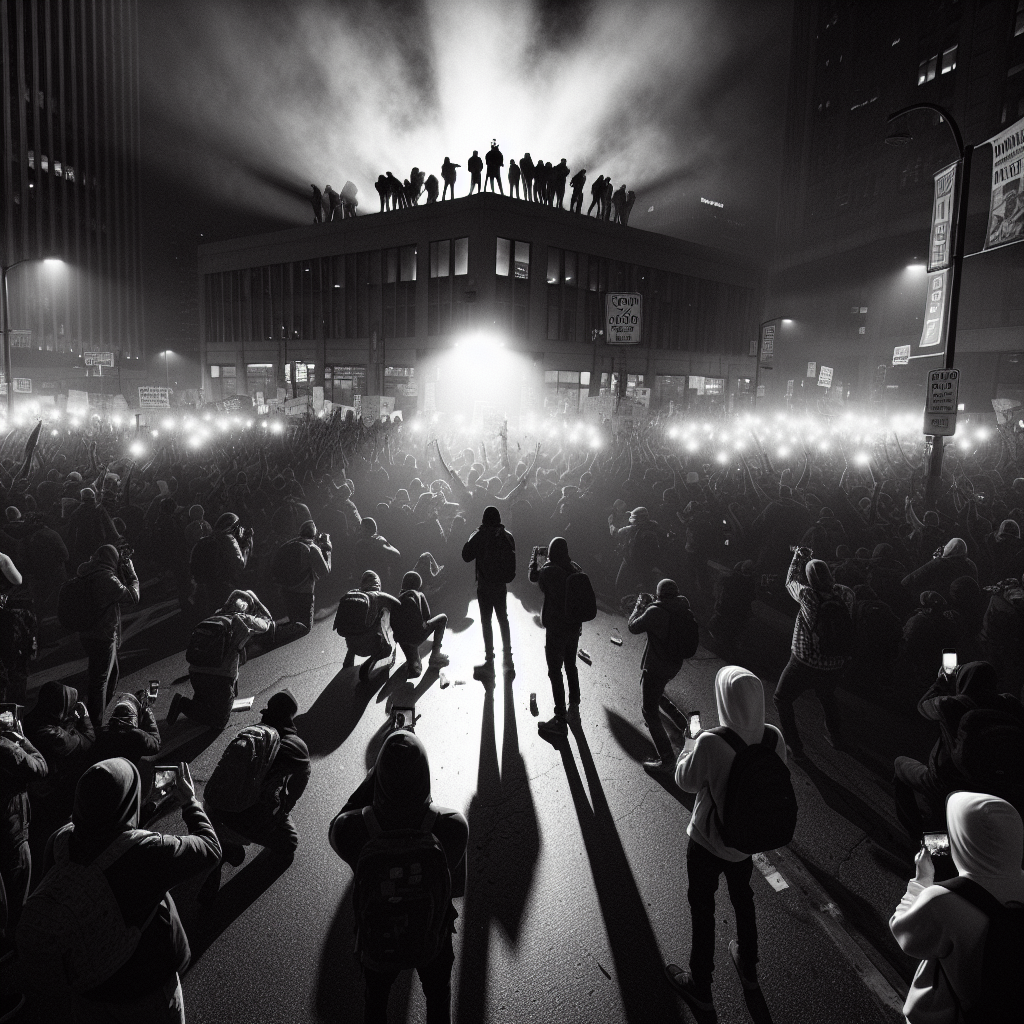
Immigration and Customs Enforcement agents collected DNA samples from observers and protesters detained during a recent immigration enforcement surge in Minnesota, raising questions about how the federal government retains and uses that personal genetic data.
The DNA collections occurred during the ICE surge operation, according to public records. The agency has broad authority under federal law to collect DNA from individuals taken into custody, but civil liberties advocates argue that applying that authority to bystanders and protesters — rather than immigration enforcement targets — represents a significant expansion of its use. The scope of the Minnesota operation, including how many individuals had DNA collected and how those samples will be stored, could not be fully confirmed at press time.
For Treasure Coast residents, the development carries direct implications. Martin, St. Lucie and Indian River counties have all seen elevated ICE enforcement activity in recent months. Local immigration attorneys say immigrant-rights observers and legal monitors who accompany detentions could face similar procedures if taken into custody during a federal operation. Local advocacy organizations in Stuart and Fort Pierce have advised volunteers in recent weeks on what to expect during enforcement actions.
Federal law under the DNA Fingerprint Act of 2005 authorizes DNA collection from individuals arrested on federal charges. Collected samples are entered into the FBI's Combined DNA Index System, or CODIS. Critics contend that collecting DNA from protesters and observers — who may not face immigration charges themselves — tests the limits of that statute and raises First Amendment concerns about the chilling effect on civic participation.
Rep. Brian Mast, R-Fla., whose district covers Martin and St. Lucie counties, had not issued a public statement on the DNA collection practice as of press time. Sens. Marco Rubio, R-Fla., and Rick Scott, R-Fla., also had not responded publicly to the reports.
This article was generated with AI assistance using publicly available information. It was reviewed and approved by a human editor before publication. TC Sentinel uses AI writing tools in accordance with FTC guidelines.
Got a tip?
See something newsworthy? Help us cover the Treasure Coast.
Your identity is never published without your permission.

Comments
Be the first to comment.