Hurricane Season Opens June 1 — NOAA Preparedness Tips Every Treasure Coast Resident Should Know Now
With forecasters predicting another above-normal Atlantic season, Martin, St. Lucie and Indian River County families have a narrow window to prepare

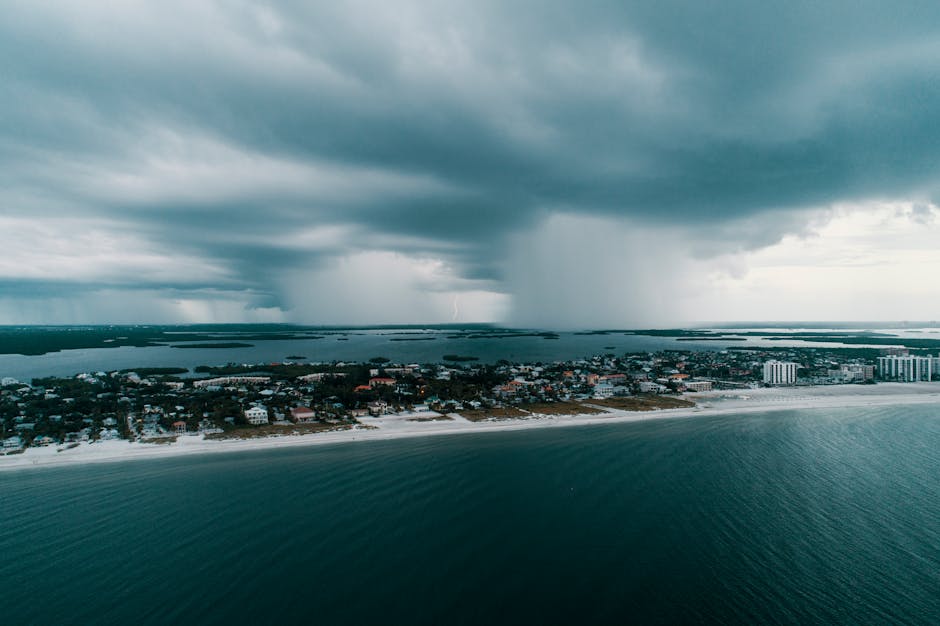
The calendar flips to June 1 in a matter of weeks, and for the roughly 500,000 people living along Florida's Treasure Coast, that date carries a weight that no other month can match. Hurricane season is coming — and federal forecasters say this is the year to take preparation seriously before the first tropical system forms.
NOAA's annual Hurricane Preparedness Week, observed each May, focuses this year on the gap between awareness and action. Most coastal Floridians know they live in a target zone. Far fewer have a written evacuation plan, a stocked emergency kit, or flood insurance in force — and flood insurance, critically, carries a 30-day waiting period before coverage activates, meaning anyone buying a policy today is already cutting it close.
NOAA's core checklist for 2026 is familiar but unsparing: build or refresh a supply kit with at least 72 hours of water (one gallon per person per day), non-perishable food, medications, and phone chargers. Know your evacuation zone — Martin, St. Lucie, and Indian River counties all use lettered zones (A through F), with Zone A representing the highest coastal storm-surge risk. Residents in those zones should have a clear plan for where they will go and how they will get there before a watch is ever posted.
For Treasure Coast families, the stakes are sharpened by geography. The shallow, elongated Indian River Lagoon acts as a funnel for storm surge, and the region's barrier islands — Hutchinson Island, St. Lucie Inlet, Vero Beach's oceanfront — are among the most surge-vulnerable corridors on Florida's east coast. A storm that makes landfall well south of here can still push six to eight feet of water across low-lying causeways.
NOAA also emphasizes communication planning: designate an out-of-state contact that all family members can reach when local networks are overwhelmed. Program the number into every phone now, not when a storm is 48 hours offshore and panic has set in.
Emergency managers in all three counties urge residents to register special-needs household members with their county's emergency management office before the season opens — lists fill quickly once a storm is named.
The window to prepare without pressure is open. It will not stay open long.
This article was generated with AI assistance using publicly available information. It was reviewed and approved by a human editor before publication. TC Sentinel uses AI writing tools in accordance with FTC guidelines.
Stay informed. Subscribe free.
Get the Treasure Coast's daily briefing in your inbox every morning.
Got a Tip?
See something newsworthy? Help us cover the Treasure Coast.
Your identity is never published without your permission.

Reader Comments
Leave a Comment