Hurricane Season Begins: How Treasure Coast Homes Built After Frances and Jeanne Stack Up
Two storms reshaped Florida's building codes in 2004 — but older homes from Stuart to Vero Beach still dominate the housing stock
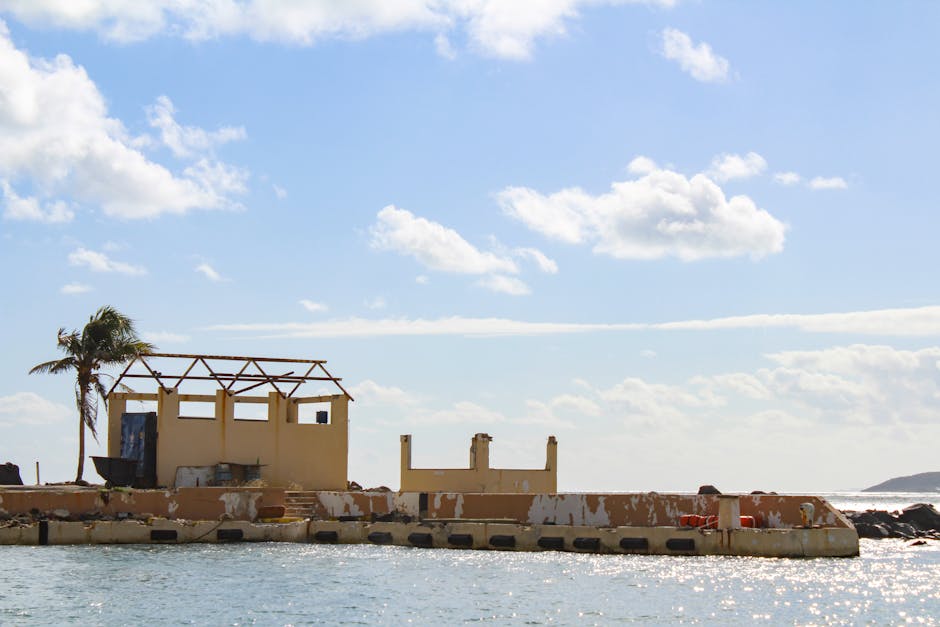
The 2004 hurricane season left a scar across the Treasure Coast that residents still measure in two names: Frances and Jeanne. Within six weeks, both storms ground across Martin, St. Lucie and Indian River counties, peeling roofs, flooding streets and exposing a generation of homes built to standards that proved dangerously inadequate.
What came next reshaped how Florida builds. Today, as hurricane season opens June 1, the divide between homes constructed before and after 2004 remains one of the most consequential — and least discussed — fault lines in Treasure Coast real estate.
Florida's 2007 update to the Florida Building Code, responding directly to the 2004 storm season, imposed strict new requirements: stronger roof-to-wall connections using hurricane straps rated for 140-mph winds, impact-resistant windows and doors or approved storm shutters, and reinforced garage doors — which had long been the catastrophic failure point in older construction. The code changes applied statewide but carried particular weight on the Treasure Coast, where Frances and Jeanne together caused an estimated $20 billion in statewide damage.
Homes built after those upgrades took hold — roughly 2007 and beyond — carry measurably better odds in a major storm. Post-code roofs are secured with metal connectors at every rafter, compared to the toe-nail construction still found in thousands of pre-2004 homes from Port St. Lucie to Vero Beach, independent inspections show. Insurance actuaries have taken notice: Citizens Property Insurance and private carriers routinely offer lower premiums for post-2004 construction, with discounts ranging from 15 percent to more than 30 percent in some cases.
The problem is proportion. The majority of owner-occupied housing units in all three Treasure Coast counties were built before 2000, public records show. That means the bulk of the region's residential housing stock — the modest ranch homes of south Stuart, the older subdivisions off U.S. 1 in Fort Pierce, the mid-century neighborhoods of Sebastian — entered this hurricane season with roofs, windows and wall connections built to an era's standards that two Category 2 storms dismantled in a single fall.
Retrofitting is possible but expensive. A full roof strap upgrade on a typical single-family home can run three thousand to eight thousand dollars; impact window replacement often exceeds fifteen thousand dollars. Florida's My Safe Florida Home grant program has offered partial relief, though funding has been inconsistent and demand routinely outpaces availability.
As June 1 arrives, the message from engineers and emergency managers is consistent: Know what year your home was built. Pull your permit history at your county's building department. Call a licensed inspector before the first named storm forms in the Atlantic.
This article was generated with AI assistance using publicly available information. It was reviewed and approved by a human editor before publication. TC Sentinel uses AI writing tools in accordance with FTC guidelines.
Got a tip?
See something newsworthy? Help us cover the Treasure Coast.
Your identity is never published without your permission.

Comments
Be the first to comment.