
Florida Lawmakers Vote to Put Property Tax Overhaul on November Ballot
Amendment could slash local government revenues; schools carved out, but counties face steep unknowns
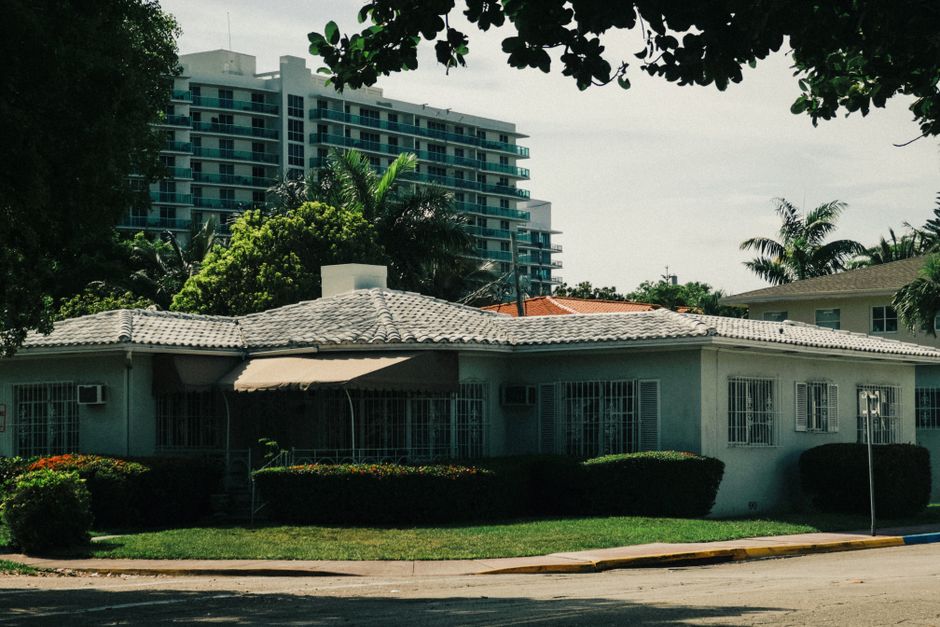
Florida lawmakers voted Tuesday to place a sweeping property tax relief amendment on the November ballot — a decision that could fundamentally reshape how counties, cities, and special districts across the state pay their bills, with Treasure Coast governments among those bracing for the fiscal fallout.
The joint resolution, carried in the House by Rep. Toby Overdorf (R-Palm City), would expand homestead exemptions and deliver what supporters call long-overdue relief to Florida homeowners. The catch: no one has pinned down exactly how much revenue local governments would lose if voters approve it.
That uncertainty hit hardest in Tuesday's floor debate. Rep. Robin Bartleman (D-Weston) pressed colleagues on why the chamber couldn't wait for "actual numbers" from the Florida Taxation and Budget Reform Commission — a constitutionally created panel that convenes once every 20 years to scrutinize the state's tax structure. Overdorf acknowledged it was "a great question," but said the governor's proposal was what was on the table.
For Treasure Coast residents, this matters because Martin, St. Lucie, and Indian River counties all depend heavily on property tax revenues to fund road maintenance, emergency services, libraries, and public health programs. Local governments statewide have already begun stress-testing their budgets. Escambia County estimates it would absorb a $124.8 million revenue hit over two years. Palm Beach County Schools projected losses of up to $418 million — a number that drew alarm from district officials throughout South Florida, including administrators who serve students just across the county line from Martin County.
Schools, however, may be spared the worst. House Speaker-designate Sam Garrison secured language preventing expanded homestead exemptions from applying to school taxes — a condition he said was a precondition for the chamber's support.
"Schools are exempt — period, full stop, end of story," Garrison said during committee debate Monday.
That carve-out closes one of the amendment's largest fiscal trapdoors, but county commissions and city councils will still need to calculate their own exposure if the measure passes. Special districts — the often-overlooked layer of local government that manages everything from mosquito control to water utilities on the Treasure Coast — are not shielded by the school-tax language and could face significant shortfalls.
The amendment now heads to Florida voters in November. If approved, local governments would face implementation decisions that could trigger service cuts, millage rate adjustments, or both — choices that county commissioners on the Treasure Coast will have to make in the open at public hearings before a deadline that is now locked on the calendar.
This article was generated with AI assistance using publicly available information. It was reviewed and approved by a human editor before publication. TC Sentinel uses AI writing tools in accordance with FTC guidelines.
Got a tip?
See something newsworthy? Help us cover the Treasure Coast.
Your identity is never published without your permission.

Comments
Be the first to comment.