
Artemis II Blasts Off from Florida's Kennedy Space Center with Diverse Crew Bound for Moon
NASA's first crewed lunar mission in 53 years launched from the Space Coast, sending commander Reid Wiseman and team on a 10-day voyage farther into space than any humans before.
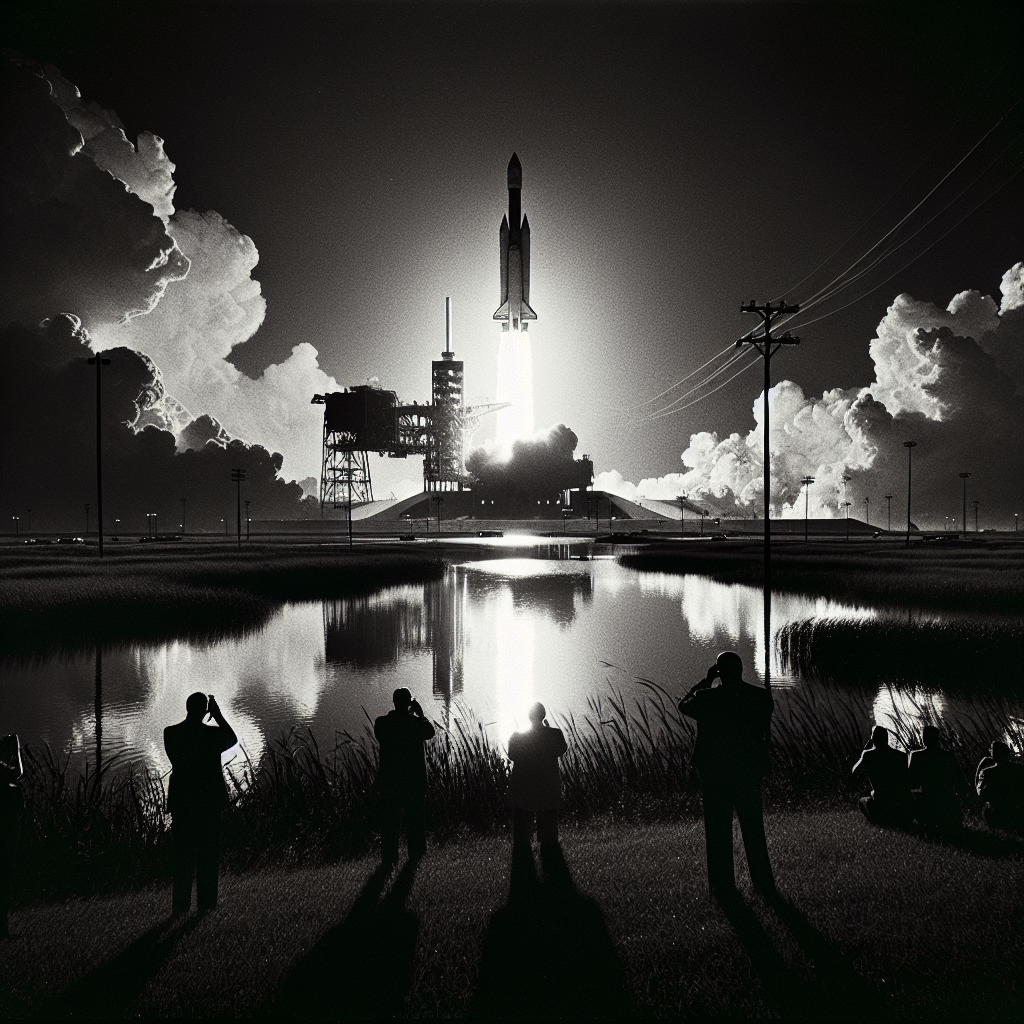
NASA launched four astronauts toward the moon Tuesday from Kennedy Space Center — the first crewed lunar mission in 53 years — aboard the Artemis II spacecraft, beginning a nine to 10-day voyage that will carry them farther into deep space than any humans before them.
The Space Launch System rocket lifted off from KSC carrying commander Reid Wiseman, pilot Victor Glover, mission specialist Christina Koch, and Canadian astronaut Jeremy Hansen. Glover becomes the first African American to travel toward the moon. Koch becomes the first woman to do so. Hansen is the first Canadian on a lunar mission.
For Treasure Coast residents within sight and earshot of the Space Coast launch pad roughly 60 miles north of Stuart, the moment was historic. Kennedy Space Center, the beating heart of Florida's aerospace economy, served as the launch point for humanity's first return to lunar distance since Apollo 17 in December 1972.
The crew will not land on the moon — that milestone is reserved for a later mission, Artemis IV. Instead, Artemis II is a critical shakedown flight. Teams will test the Orion capsule's life-support systems, habitability, and, most critically, its heat shield, which must withstand temperatures of 5,000 degrees Fahrenheit during Earth reentry. Engineers documented a heat shield anomaly on the uncrewed Artemis I mission and redesigned the shield and adjusted the flight profile ahead of Tuesday's launch.
Several technical issues surfaced during the countdown — including battery indication problems, a brief telemetry loss, and a concern involving the launch termination system — but ground teams resolved each one and the rocket achieved a clean ascent, officials said.
The Orion spacecraft traces its lineage to the Constellation program announced in 2004 under President George W. Bush. The Obama administration canceled that broader program, but Orion and the Space Launch System — built in part from repurposed Space Shuttle engines and solid rocket boosters — survived. Some engines that fired Tuesday had previously flown aboard the shuttle, officials confirmed.
NASA is expected to provide mission status updates throughout the nine-day flight.
This article was generated with AI assistance using publicly available information. It was reviewed and approved by a human editor before publication. TC Sentinel uses AI writing tools in accordance with FTC guidelines.
Got a tip?
See something newsworthy? Help us cover the Treasure Coast.
Your identity is never published without your permission.

Comments
Be the first to comment.