Climate Change Set to Worsen Indian River Lagoon Pollution, Endangering Local Families
A peer-reviewed study warns that rising seas and intense storms will amplify algae blooms in the estuary serving Martin, St. Lucie and Indian River counties unless officials act swiftly.

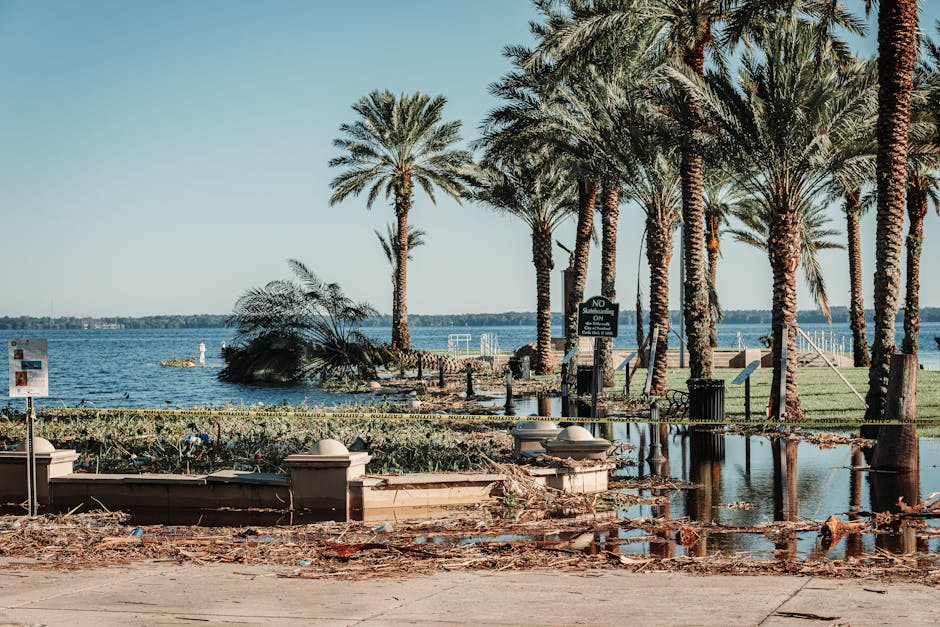
Families who fish, swim and draw their drinking water near the Indian River Lagoon face growing risks to water quality as climate change intensifies stress on the already-struggling estuary, according to a peer-reviewed study published in the journal Coastal Management.
The research examines how shifting climate conditions — including rising sea levels, increased rainfall intensity, and warming water temperatures — are expected to compound existing nutrient pollution and algae bloom problems in the lagoon, which stretches along the coastlines of Indian River, St. Lucie, and Martin counties, according to the 2021 study by Parkinson R.W. et al. The study identifies specific adaptation actions that local governments and water managers could take to slow or reduce that impairment.
The lagoon has faced repeated ecological crises in recent years, including toxic blue-green algae blooms and seagrass die-offs that have killed manatees and disrupted fisheries that local communities depend on economically and culturally. Climate-driven changes are projected to make nutrient loading — the excess nitrogen and phosphorus that feeds harmful algae — harder to control through conventional stormwater management alone, the study suggests.
Residents in St. Lucie County, where the lagoon intersects with the St. Lucie River and C-44 Canal, are among those most exposed to bloom events that can trigger fish kills and beach closures. Indian River County's coastal communities face similar pressures as warming accelerates algae growth cycles.
The research adds scientific weight to ongoing calls by environmental advocates and county health officials for accelerated investment in lagoon restoration and climate-resilient water infrastructure across the Treasure Coast. The Indian River Lagoon Council and individual county environmental agencies oversee restoration planning. Residents are encouraged to monitor each county's water quality alert systems for current lagoon conditions.
This article was generated with AI assistance using publicly available information. It was reviewed and approved by a human editor before publication. TC Sentinel uses AI writing tools in accordance with FTC guidelines.
Stay informed. Subscribe free.
Get the Treasure Coast's daily briefing in your inbox every morning.
Got a Tip?
See something newsworthy? Help us cover the Treasure Coast.
Your identity is never published without your permission.

Reader Comments
Leave a Comment