St. Lucie Students Get Inside Look at Marine Science Careers Through Smithsonian Visit
Treasure Coast High and St. Lucie West Centennial students toured the Smithsonian Marine Station as part of the district's Classrooms2Careers program

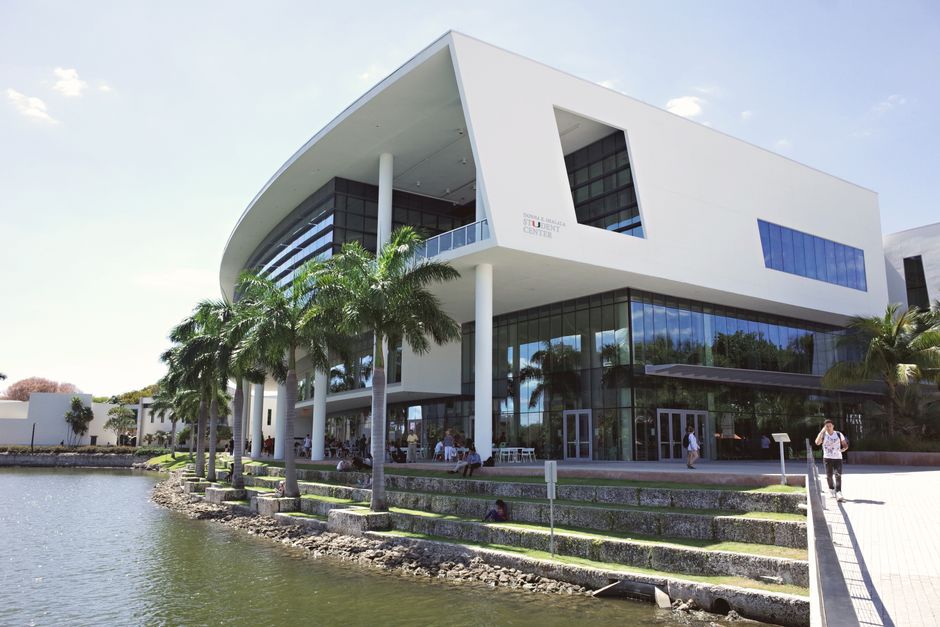
Seven students from Treasure Coast High School and peers from St. Lucie West Centennial High School recently stepped inside one of the region's premier research institutions, gaining a rare behind-the-scenes look at the Smithsonian Marine Station as part of St. Lucie Public Schools' Classrooms2Careers initiative.
The visit connected students directly with working scientists and opened doors to career pathways in marine science — fields unfolding in laboratories and waterways along the Treasure Coast. For many students, it was likely their first glimpse into what a career built around Florida's coastal ecosystems can look like.
Researchers at the station walked the group through several active areas of study, including chemical ecology, benthic ecology, Everglades restoration projects and coral reef research. Scientists described not only their findings but the skills and academic preparation needed to pursue that work — giving students a practical roadmap, not just an inspiring afternoon.
Station staff also outlined concrete ways high schoolers can get involved now, without waiting for a college acceptance letter. Summer internships, hands-on research opportunities and educational programs at the Smithsonian Aquarium — including seawater systems and marine life activities — are available to motivated students in the near term.
Treasure Coast High Industrial Biotechnology teacher John Williams accompanied the group from his school. Captain David Branson and Station Manager Scott Jones coordinated and hosted the session for the district.
Classrooms2Careers is a St. Lucie Public Schools program designed to bridge the gap between classroom instruction and the professional world, exposing students to career pathways available locally before they graduate. The Smithsonian Marine Station, located in Fort Pierce, makes the district unusually well-positioned to offer students direct access to world-class research infrastructure — a resource few school districts anywhere in the country can claim in their own backyard.
The human stakes of that access are real. Marine science, environmental research and coastal restoration represent a growing sector of Florida's economy, and early exposure to these fields can shape the trajectories of students who might not otherwise see a path into them.
High school students in St. Lucie County interested in exploring career pathways or learning about similar opportunities can contact the district's Career Coaches, Terrence Platt or Dr. LeiNitia Robinson, through St. Lucie Public Schools.
This article was generated with AI assistance using publicly available information. It was reviewed and approved by a human editor before publication. TC Sentinel uses AI writing tools in accordance with FTC guidelines.